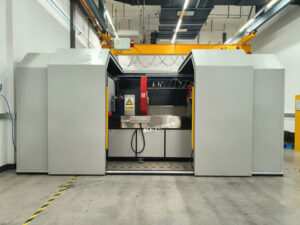
What is a Half Shaft?
A half shaft is a rotating axle that transmits torque from the differential to the wheels. It undergoes repeated torsional stress, making it prone to fatigue-related surface cracks if not properly manufactured and inspected.
FMPI Equipment for Half Shafts – Overview
The half-axle specifications this equipment can detect are shaft diameter ≤50-350mm, large plate 250-600mm, and length ≤200-1500mm. We can customize special specifications of half-axle detection equipment. Equipment working capacity: working hours are greater than 18 hours a day. Compressed air requirements: compressed air pressure requirements are 0.4- 0.8MPA. Power supply required by the equipment: three-phase five-wire 380V+10% 50HZ (customizable).
Machine Purpose:
To detect small surface flaws that could lead to catastrophic failure during operation, especially in:
- Automotive manufacturing
- OEM or Tier 1/2 auto part suppliers
- Vehicle drivetrain testing labs

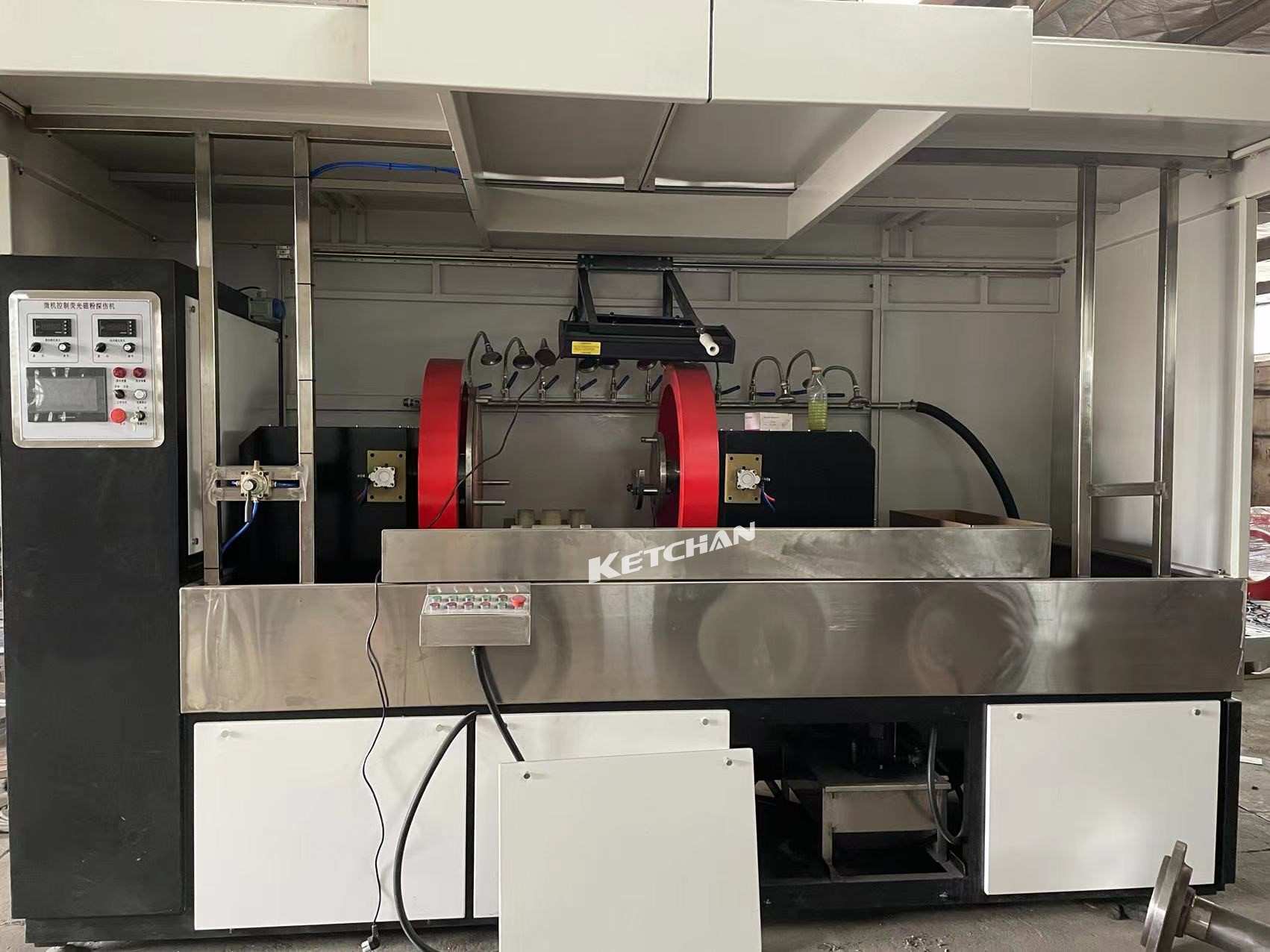
Components of the Inspection System:
- Magnetization Unit
- Circular magnetization using head and tailstocks (through-bar current).
- Longitudinal magnetization via coils (for axial defects).
- Adjustable current control for different shaft sizes and materials.
- Fluorescent Magnetic Particle System
- Suspension bath of fluorescent particles in oil or water-based carrier.
- Spray nozzles or immersion tanks for even coverage.
- Circulation system with filters and agitators to keep particles suspended.
- Inspection Station
- Dark room chamber with UV-A (365 nm) lighting for high-contrast defect visualization.
- Operator access with shielded viewing ports or automated image capture.
- Rotating fixture to allow full shaft inspection without manual repositioning.
- Control Panel
- Timing and power control for magnetization shots.
- Safety interlocks and process monitoring.
- Optional HMI/PLC for automation and data logging.
- Demagnetizer (Optional but Recommended)
- Removes residual magnetism to prevent issues during subsequent assembly or use.
Machine Features:
- Dual magnetization modes (longitudinal + circular) in one cycle.
- Automated or semi-automated shaft handling.
- Quick-change fixtures for different shaft lengths/diameters.
- UV light intensity monitoring for compliance with national safety standards.
- Optional robotic loading/unloading for high-throughput lines.
Applications:
- Automotive axle/shaft manufacturers.
- Inspection stations in drivetrain assembly plants.
- Third-party NDT services for automotive components.